


Wharton Sports Analytics and Business Initiative
News
Sports as an Asset Class: Lessons from the 2025 Wharton Sports Business Summit
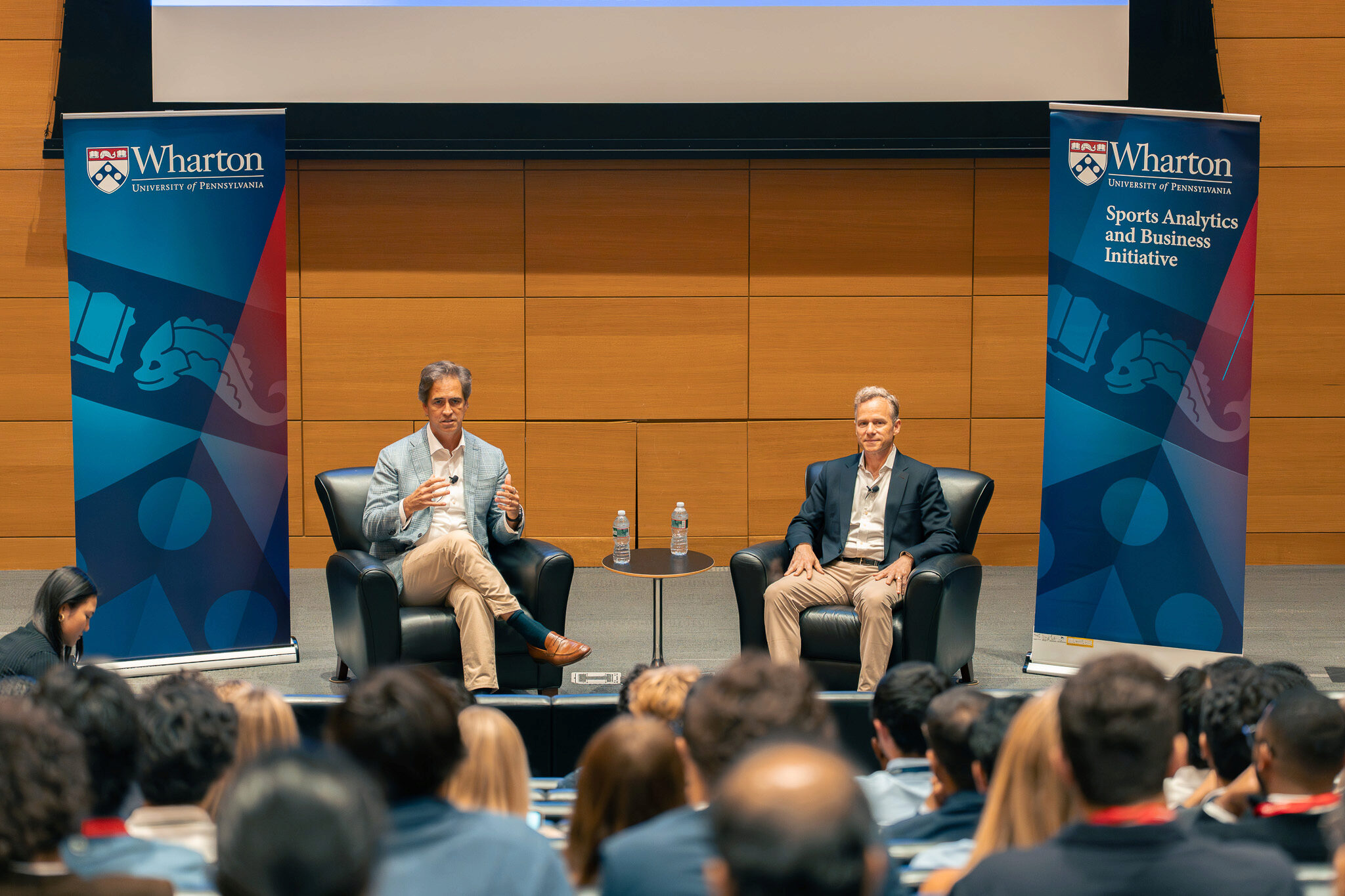
At this year’s Wharton Sports Business Summit, hosted by the Wharton Sports Analytics and Business Initiative (WSABI), leaders from across the sports landscape explored the business forces redefining the global game, from investment banking and private capital to league management and club leadership.
In four keynote conversations, Dave Dase, Co-head of the Sports Franchise Investment Banking group at Goldman Sachs and Advisory Board Member of the Wharton AI & Analytics Initiative; Josh Empson, Partner and Co-Head of Sports, Media, and Entertainment at Sixth Street; Jessica Gelman, CEO and Co-Founder of Kraft Analytics Group (KAGR); Tim McDermott, President of the Philadelphia Union and Union Sports & Entertainment; and Pauline Philippi, Chief Financial Officer of the National Women’s Soccer League (NWSL) offered a window into the industry’s next phase of growth.
Despite their differing vantage points – finance, league operations, team management, and analytics – their messages converged on several powerful themes: sports as a maturing asset class, infrastructure as a growth strategy, disciplined and values-driven expansion, and the evolving demands of leadership in a data-driven era.
1. Sports as a Maturing Global Asset Class
Few phrases capture the new economics of sports better than Dase’s framing of it as “an asset class unto itself.”
“We’re thinking about sports as an asset class, one that’s global, diversified, and fueled by capital, innovation, and fan passion,” said Dase. “The investment model is evolving as institutional capital enters the space, and that’s changing how deals get done.”
Alongside Josh Empson of Sixth Street, Dase described how both investors and leagues are rethinking ownership structures. Institutional capital, long restricted in major North American leagues, has become a core funding source for growth, while bespoke financing structures allow buyers and sellers to balance ambition with discipline. “If you want to buy into the NBA or the Premier League today,” Empson explained, “you’re talking about billions in enterprise value. Coalition-based ownership and creative financing are what make those transactions feasible, and what’s keeping the industry moving forward.”
Expanding on that theme, Gelman discussed how data-driven and customer-first strategies are shaping the next phase of sports growth. Gelman, whose firm helps leagues and teams optimize fan engagement through a SaaS data warehouse platform and customer-centric analytics, highlighted the critical link between technology, fan connection, and the role of AI ahead. In 2021, JP Morgan invested into KAGR seeing ahead on this important and rapidly growing asset class along with the need for owners to modernize fan-first strategies and technology
2. Infrastructure as a Growth Engine
Beyond the boardroom, the physical face of sports is transforming too. Dase and Empson discussed the trend toward “building a city, not just a stadium.” “You can’t justify a multibillion-dollar arena on ticket sales alone,” Dase said. “You need mixed- use development, restaurants, housing, concert venues, entertainment zones. Sports infrastructure has become a real estate business.”
Empson added that this approach has redefined how investors and municipalities think about the long-term impact of sports projects. “SoFi Stadium isn’t just a football venue; it’s an urban catalyst,” he noted. “The same logic is driving redevelopment in places like Barcelona, Atlanta, and now Philadelphia.”
That hyperlocal impact was echoed by Tim McDermott, whose leadership at the Philadelphia Union has focused on transforming Chester’s waterfront through soccer-driven development.
“We see our role as both a sports organization and a community engine,” McDermott said. “Infrastructure investment allows us to deliver a better fan experience while helping revitalize the city we call home.”
3. Women’s Sports: Growth with Discipline
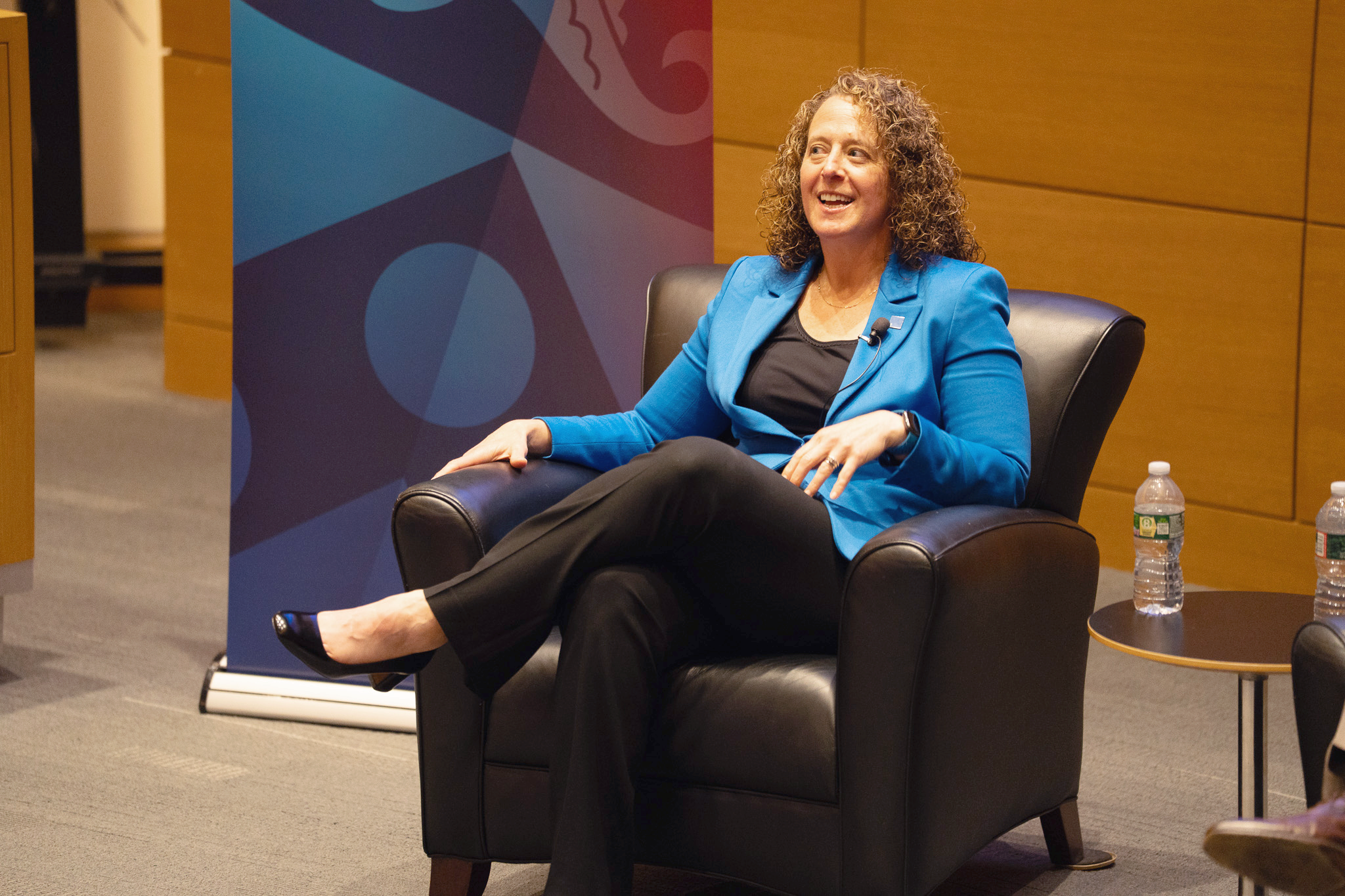
Pauline Philippi shared how the NWSL is balancing rapid expansion with financial rigor. “We’re at a pivotal moment,” she said. “Interest, investment, and visibility in women’s sports have never been higher. But we have to scale sustainably – grounded in data, governance, and financial discipline.”
As CFO, Philippi has spearheaded efforts to professionalize financial planning and analysis at the league level, ensuring that growth is both measurable and mission-driven. Her priorities include long-range planning, smart capital allocation, and optimizing for the 2028 media rights cycle. “The 2028 media deal will be a milestone,” she explained, “but it’s not the only measure of success. We’re building the systems, KPIs, and infrastructure that will sustain this league for decades.”
Expanding on that theme, Gelman, a one-time alternate governor on the NWSL board, shared how women’s sports is beginning to truly invest in understanding their fans with three WNBA teams as partners in the past few months.
“We’re still in the early days of adoption when it comes to data maturity in sports,” she said. “As ways to consume sports evolve, understanding how different generations want to engage with teams and players is critical. Data is foundational and will become even more important with AI. The teams that invest now in infrastructure, privacy, and smart application will own the fan relationship in the future.”
A longtime advocate for women’s sports, Gelman spoke candidly about the unique opportunities in the space. As both an NWSL team owner and co-founder of the MIT Sloan Sports Analytics Conference, she emphasized that women’s sports present not just a cultural opportunity but a data opportunity—one where ownership, analytics, and accessibility can grow in tandem. “These teams need to know their audiences,” she noted. “It’s not the same customer as men’s sports or same ways to interact or create fandom. Data can be the equalizer.”
4. Technology, Data, and the Next Competitive Edge
Technology has become the connective tissue linking finance, fandom, and front-office strategy. Across the Summit, every speaker touched on how data and automation are reshaping operations and decision-making.
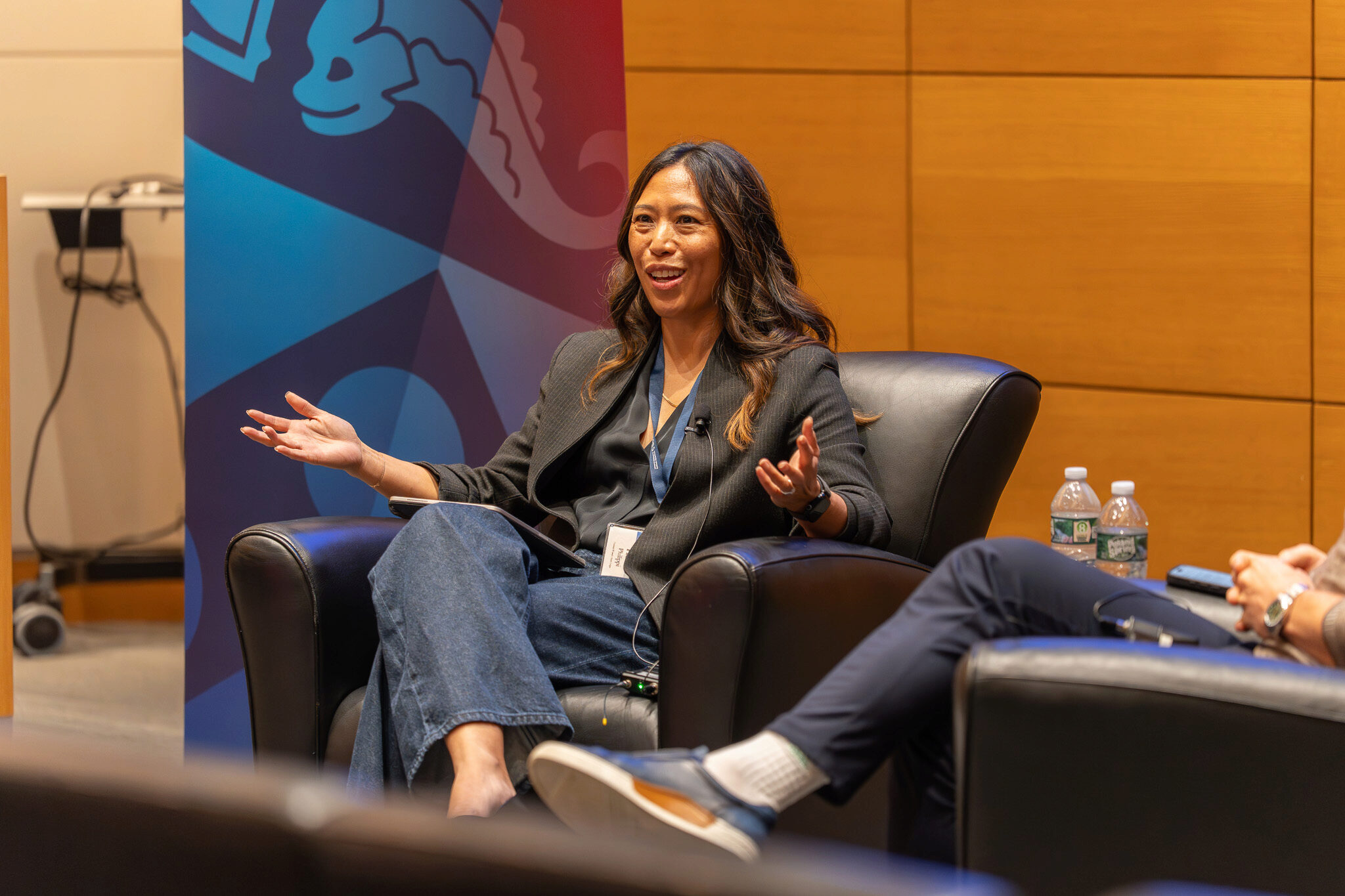
Gelman highlighted the unique differences of technology maturity as a differentiator across leagues, colleagues and sports partners. KAGR, which manages over 75 million number of sports fans, partners with organizations ranging from the NFL to the NCAA, helping them centralize and safely activate fan data. “At the end of the day,” she said, “data is the currency of the sports economy.” Harnessing the customer insights in efficient ways is the future. Philippi echoed that sentiment in speaking about implementing AI-enabled systems to streamline league operations. “We’re a lean organization,” she said, “and technology allows us to scale without losing quality or control.”
Meanwhile, Dase and Empson highlighted how analytics are influencing valuation models and capital allocation. From pricing media rights to structuring deals, sophisticated data use is helping firms understand risk and optimize return.
And at the team level, McDermott underscored how digital tools are redefining fan engagement. “Technology gives us the ability to personalize every fan interaction,” he said. “Whether it’s through ticketing, content, or partnerships, data helps us deepen relationships and build lifetime loyalty.”
5. Leadership for a Changing Game
In a conversation moderated by Jeff Klein, Executive Director of the Wharton Leadership Program, McDermott reflected on how modern sports leadership blends business analytics with human connection.
“You can’t separate culture from strategy,” McDermott said. “Our growth has come from staying mission-driven – developing people, investing in our community, and using data to make smarter decisions.”
Gelman echoed that balance, pointing to the MIT Sloan Sports Analytics Conference as a model for collaborative, values-driven innovation. “We started Sloan to bring people together who love sports and analytics,” she said. “It’s become this ecosystem of shared learning and inclusion, where the next generation of leaders can see themselves reflected in the industry.”
Her comments reinforced a recurring message across the Summit: that the future of sports leadership lies in empathy, inclusion, and a deep understanding of both business and people.
Keynote Talks from the 2025 Wharton Sports Business Summit
This content was created with the assistance of generative AI. All AI-generated materials are reviewed and edited by the Wharton AI & Analytics Initiative to ensure accuracy, clarity, and alignment with our standards.